
Wildlife and Nature Reserves
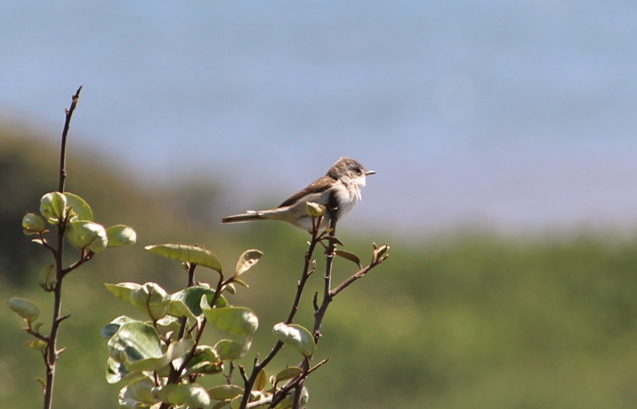
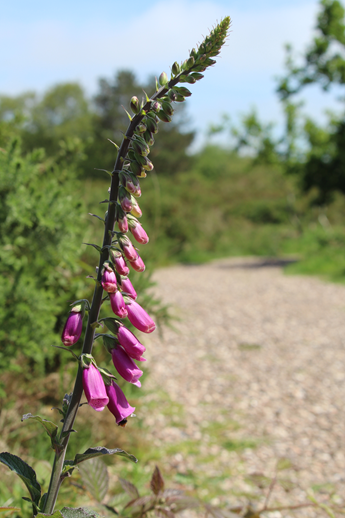
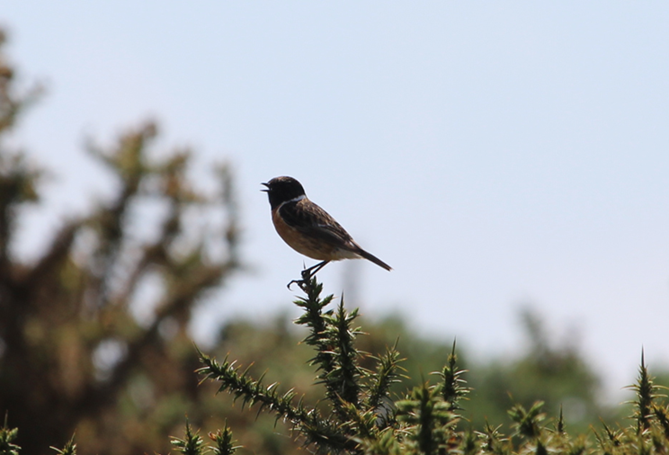
Photos: Greater Whitethroat, seen at Orcombe Point (Leg H); Foxglove on the heaths (Leg J), also the flower marking the East Devon Way; Stonechat singing from gorse, heathland (Leg J)
East Devon and West Dorset form one of southern England’s most important wildlife corridors, formed by a wide variety of habitats: ancient heathlands, wetlands, estuaries, chalk grasslands, woodland valleys, rolling farmland and coastal cliffs. This supports a remarkable concentration of rare and protected species – if you aren’t walking too fast, you may see Dartford warblers, nightjars, dragonflies, silver-studded blue butterflies, kingfishers and migratory wading birds throughout the year, and keep your eyes peeled at dusk for the famous beavers of the River Otter.
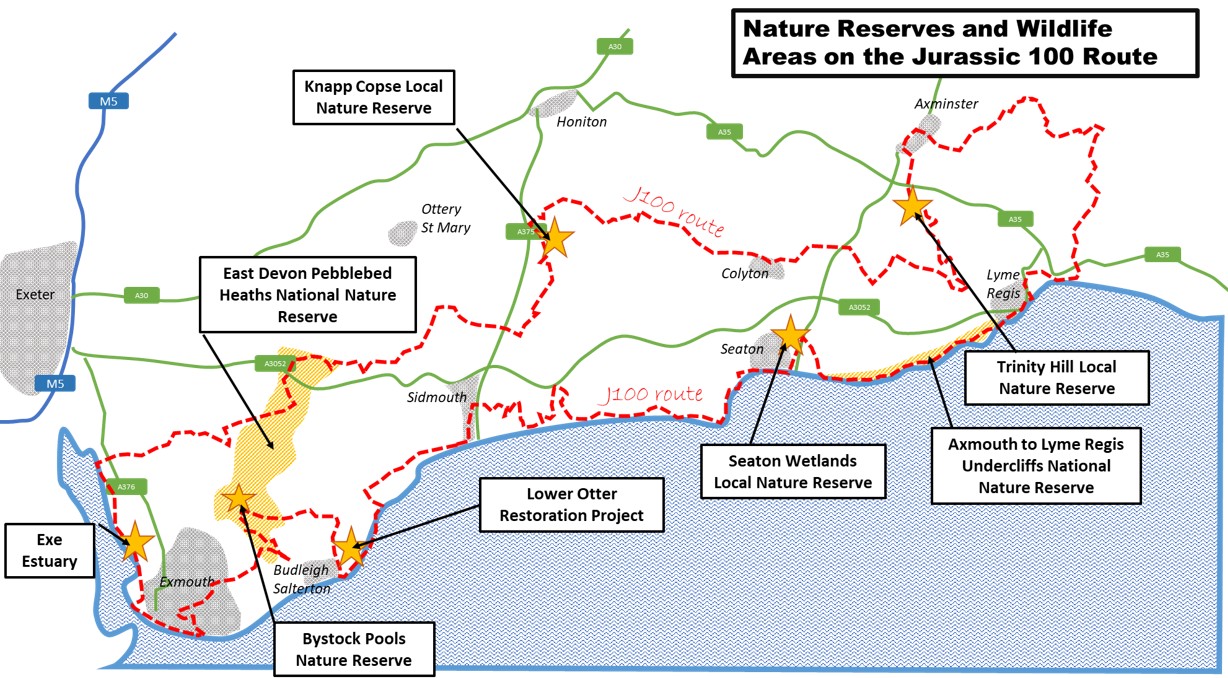
The route passes through several wildlife reserves, both large and small, shown below on the map and described in more detail below. This list below is not exhaustive!
Axmouth to Lyme Regis Undercliffs National Nature Reserve (Leg C)
The ‘Undercliff’ is a fascinating, and ecologically important, 7 mile section of the Southwest Coast Path which traverses an area of cliff-fall. While it had already been active (and remains so today), its current configuration was largely created on Christmas Eve in 1839, and was the first landslip to be scientifically described thanks to some geologists living in the area. It has a reputation for being the closest you will get to rainforest in the UK, with its microclimate harbouring ferns, fungi, wild clematis and orchids beneath a canopy of ash and field Maple. Birds found here include ravens, peregrine falcons and owls; there are also populations of endangered species such as the great crested newt and hazel dormouse. There is some information here about the geology of the undercliff.

Photo: view from within the Undercliff
Seaton Wetlands Local Nature Reserve (close to Leg D)
Seaton Wetlands is one of East Devon’s premier birdwatching locations. Created from restored wetland habitats along the Axe Estuary, the reserve attracts wildfowl, waders, reed warblers and kingfishers.
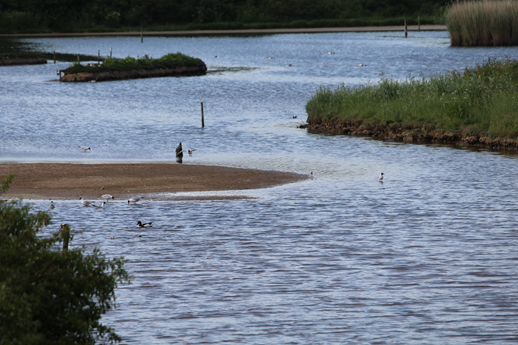
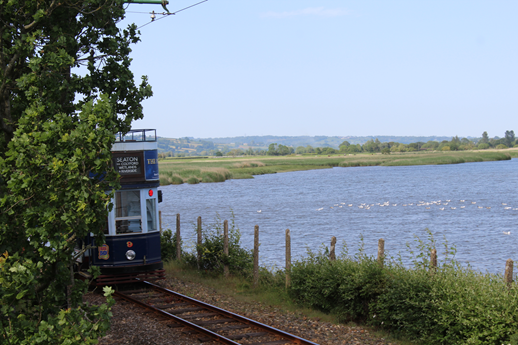
Photo: LEFT Seaton wetlands; RIGHT wetlands in the Axe valley with the Seaton-Colyton tram
Lower Otter Restoration Project (Leg G) and the River Otter (Leg G and J)
The Lower Otter Restoration Project (LORP) is one of the most ambitious coastal wildlife restoration schemes in England. The aim is to reconnect the River Otter with its historic floodplain and estuary after centuries of artificial embankment and drainage. The scheme has become a nationally important example of “managed realignment” — allowing natural tidal processes to return in order to create healthier, more resilient habitats.
The change over the past few years has been extraordinary and very exciting – you can see pictures here: https://www.lowerotterrestorationproject.co.uk/ . Around 55 acres of intertidal habitat (saltmarsh, mutflat and wet grassland) have been recreated and is rapidly becoming one of the richest wildlife areas in East Devon. The return of saltmarsh plants is part of a productive new ecosystem, attracting birds such as little egrets, curlews, redshanks, avocets, teal, wigeon, oystercatchers and black-tailed godwits.
The wider River Otter catchment has become internationally famous for England’s modern beaver story. Wild beavers first appeared on the river around 2008, leading to the landmark River Otter Beaver Trial. In 2020, the government formally allowed the beavers to remain after studies showed substantial ecological benefits. The beavers upstream are now closely linked to the broader restoration of the Otter valley ecosystem, and the studies have led the way for beaver reintroductions around the country.
Conservationists increasingly view the River Otter and Lower Otter Restoration Project together as part of a larger landscape-scale rewilding process across East Devon.
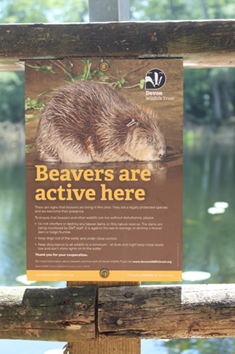
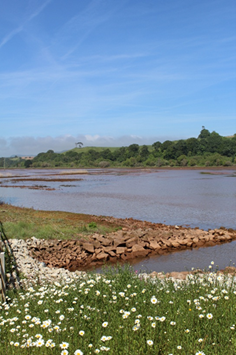
Photos: LEFT: Beavers are active in all the tributaries of the River Otter; RIGHT: the wetlands of the Lower Otter Restoration Project
East Devon Pebblebed Heaths National Nature Reserve (Legs G and J)
The Pebblebed Heaths are among the most significant heathland conservation areas in Europe. Covering more than 1,400 hectares, the reserve contains lowland heath, wet mire, woodland and streams. Important species found here are: nightjars, Dartford warblers, woodlark and silver-studded blue butterflies. You may get lucky and startle a snipe, or spot a hobby.
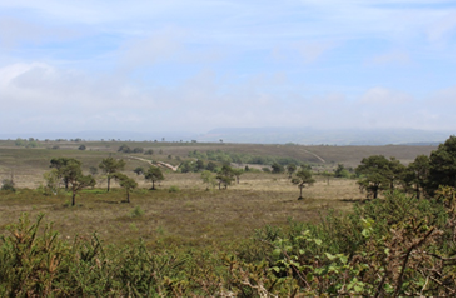
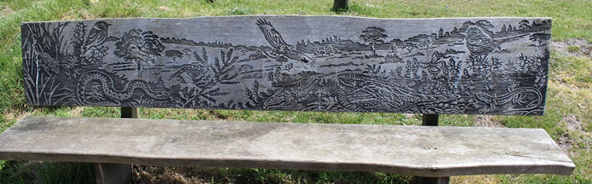
Photos: LEFT: lowland heath of Woodbury Common; RIGHT: Bench with illustrations of wildlife on the heaths
Bystock Pools Nature Reserve (Leg G)
Managed by the Devon Wildlife Trust, Bystock Pools is a small nature reserve on Budleigh Common, with lakes, woodland, heathland and wetland habitats. The varied terrain supports dragonflies, amphibians, woodland birds and butterflies. Species of note here are: nightjar, yellowhammer, emperor and golden-ringed dragonflies.
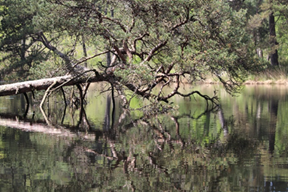
Photo: Bystock Pools
Exe Estuary (Leg H)
The Exe Estuary is one of Britain’s great birdwatching landscapes and among the most important estuaries in Europe for wintering wildfowl and waders. Every year, more than 20,000 migratory birds gather on its mudflats, saltmarshes and eelgrass beds. The estuary is internationally protected as a Ramsar wetland site and Special Protection Area because of the extraordinary numbers and diversity of birds it supports. It stretches from Exeter down to Exmouth and the J100 route will take us alongside, but the most famous birding areas at Topsham, Dawlish Warren, Exminster Marshes and Bowling Green Marsh will require a separate trip if you have time when you are in the area.
Overwintering populations of birds can be very significant; for instance, the Exe supports 1% of the world’s population of Dark-bellied Brent Goose during peak overwintering period. Winters sees increasingly large numbers of avocet, as well as dunlin, curlew, redshank, black-tailed godwit, grey plover, lapwing, oystercatcher and turnstone. In summer you may be more likely to see reed warblers, swallows, sandwich terns and little egrets as well as breeding redshank, and kingfishers in the quieter creeks. There are birdspotting cruises available departing from Exmouth.
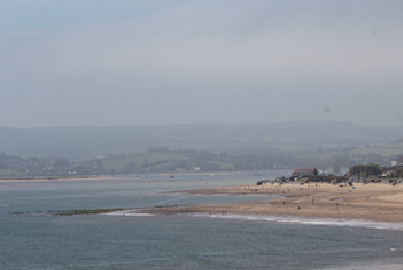
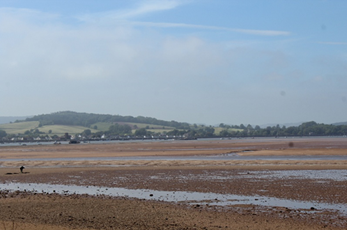
Photos: two views of the Exe estuary at Exmouth
Knapp Copse Local Nature Reserve (Leg L)
Knapp Copse incorporates a restored former landfill site, and now contains mature woodland, flower-rich grassland and wetland habitats that support 18 species of bat, along with dormice, woodland birds and native wildflowers including orchids. It also hides quite a steep climb, which might limit your wildlife-spotting energy!
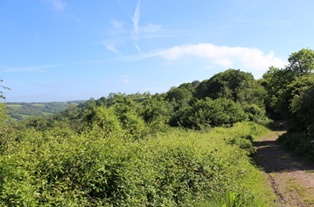
Photos: Knapp Copse Nature Reserve
Trinity Hill Local Nature Reserve
This area of managed heathland is grazed by local Ruby Red cattle to allow development of heathers and habitats for moths, lizards, yellowhammers and nightjars (which you may hear chirring if you are here at dusk or at night). It is also a Dark Skies Discovery Site, thanks to its location away from urban centres.
Photo to come
Other wildlife to keep an eye out for along the route:
- White-tailed Eagles
After the reintroduction programme at the Isle of Wight reintroduction programme, white-tailed eagles are now regularly seen along the Jurassic Coast and Lyme Bay. There have even been spottings at the Exe Estuary.
- Marine mammals
If you are sharp-eyed (and lucky) you may spot bottlenose dolphins, harbour porpoises, and white-beaked dolphins off the cliffs. England’s only resident pod of bottlenose dolphins travels along this part of the south coast! There are also sporadic sightings of Risso’s dolphin and humpback whales; more commonly, grey seals may be spotted lounging about in Lyme Bay (leg B), Ladram Bay (leg F) and the Exe Estuary (legs H&I).
- Otters
Otters are now regularly recorded along the River Axe, River Otter and quieter Dorset streams after decades of recovery from pollution-related declines.
- Reptiles
The heathlands of Dorset and East Devon support all six native British reptile species, including sand lizard, smooth snake, adder, common lizard, grass snake and slow worm. This area is a UK stronghold for the first two species.
- Dragonflies and Butterflies
Rare insects thrive in the wetlands and heaths, including southern damselfly, silver-studded blue butterfly, heath tiger beetle and emperor hawk moth.